
A LIFELONG PRACTICE IN JAPANESE TRADITIONAL TATTOOING
TRADITIONAL IREZUMI • TEBORI LANCASTER, PENNSYLVANIA
道 · THE JOURNEY
Built Through Years of Practice
Most people come to this because something changed, a loss, a move, a new chapter. What Japanese imagery gives that moment is a language that's already carried real meaning for hundreds of years. Not something one person dreamed up. Something proven.
But a language only works if you know how to use it. The same crane means one thing posed one way and something different posed another, depending on what surrounds it and what it's paired with. Get that part wrong and the piece looks right but doesn't actually say what you came to say.
◆
100+
Drawn By Hand
12+
Year Experience
◆
Private
Appointment only
2K+
Unique design
◆
額彫り- THE BACKGROUND
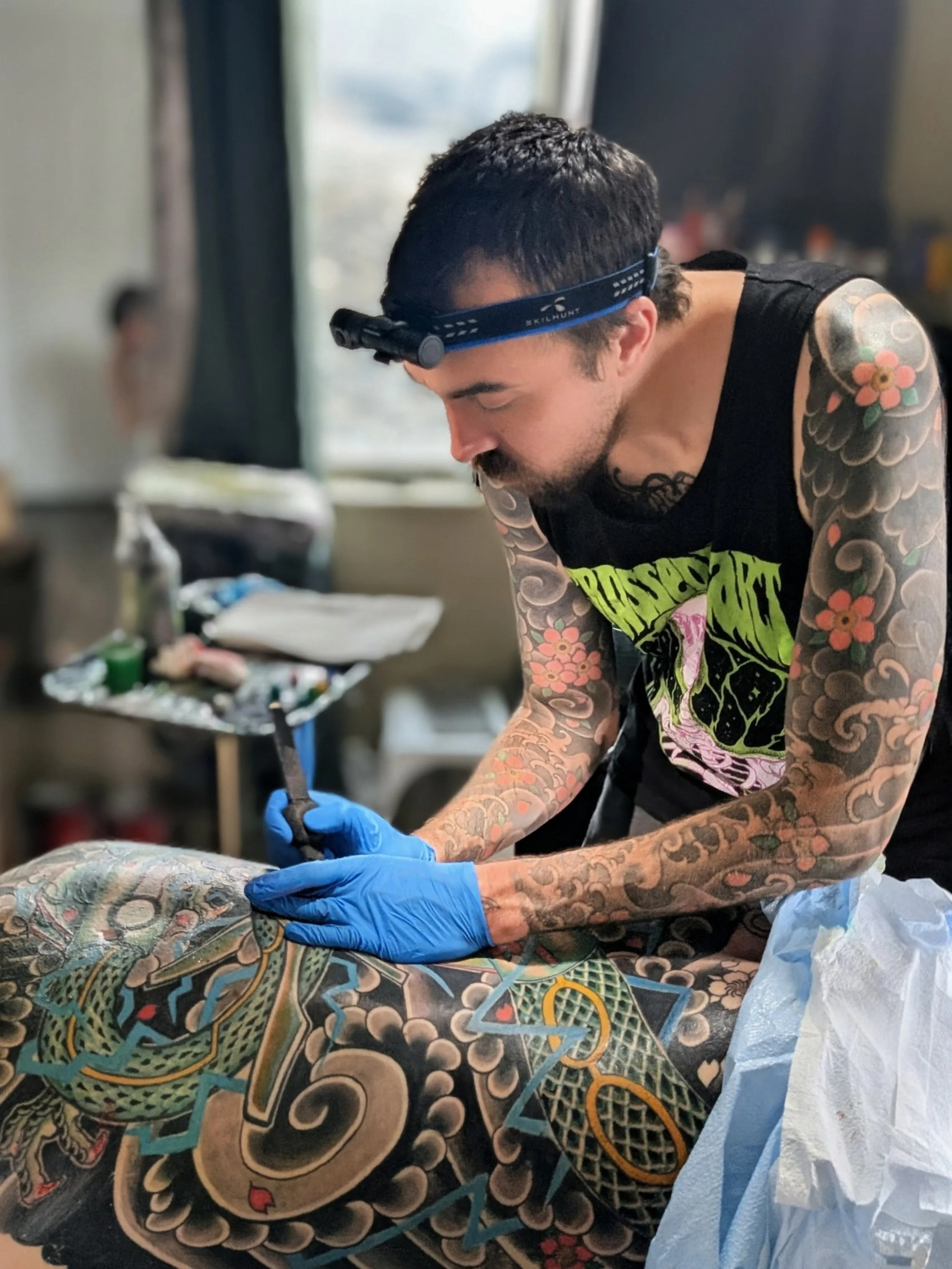
A Japanese piece isn't stamped on unintentionally. It's designed around you, planned to sit on the shoulder, wrap the calf, or run across the back exactly where it belongs. The imagery follows your frame instead of fighting it, so it looks right when you're still and moves right when you're not.
That holds at any size. A single piece and a full bodysuit come from the same tradition and follow the same rules. If one piece is what you want, that's a finished thing on its own. And if it's a starting point, I plan it so the door stays open, never so it's forced.
Where the Work Ends
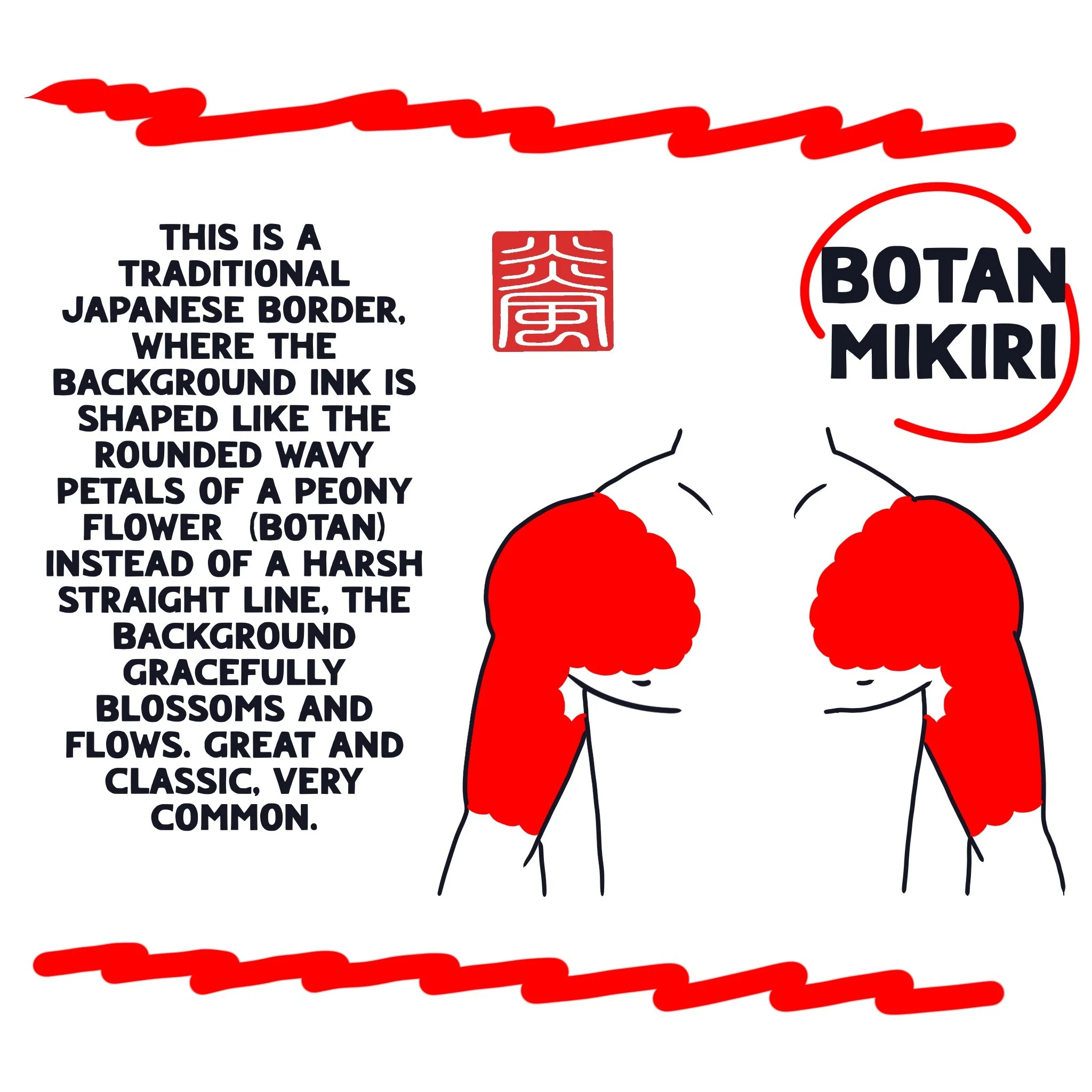
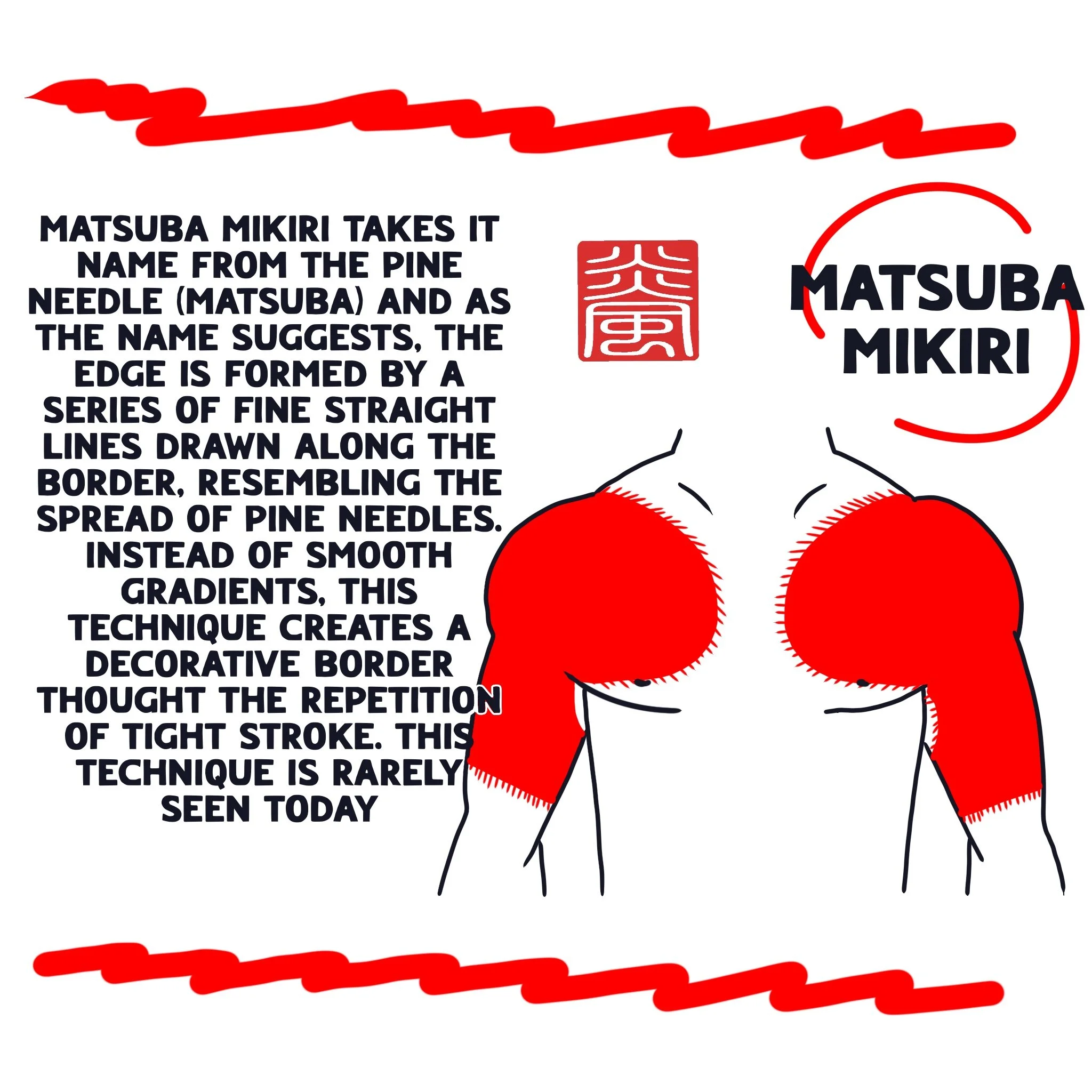
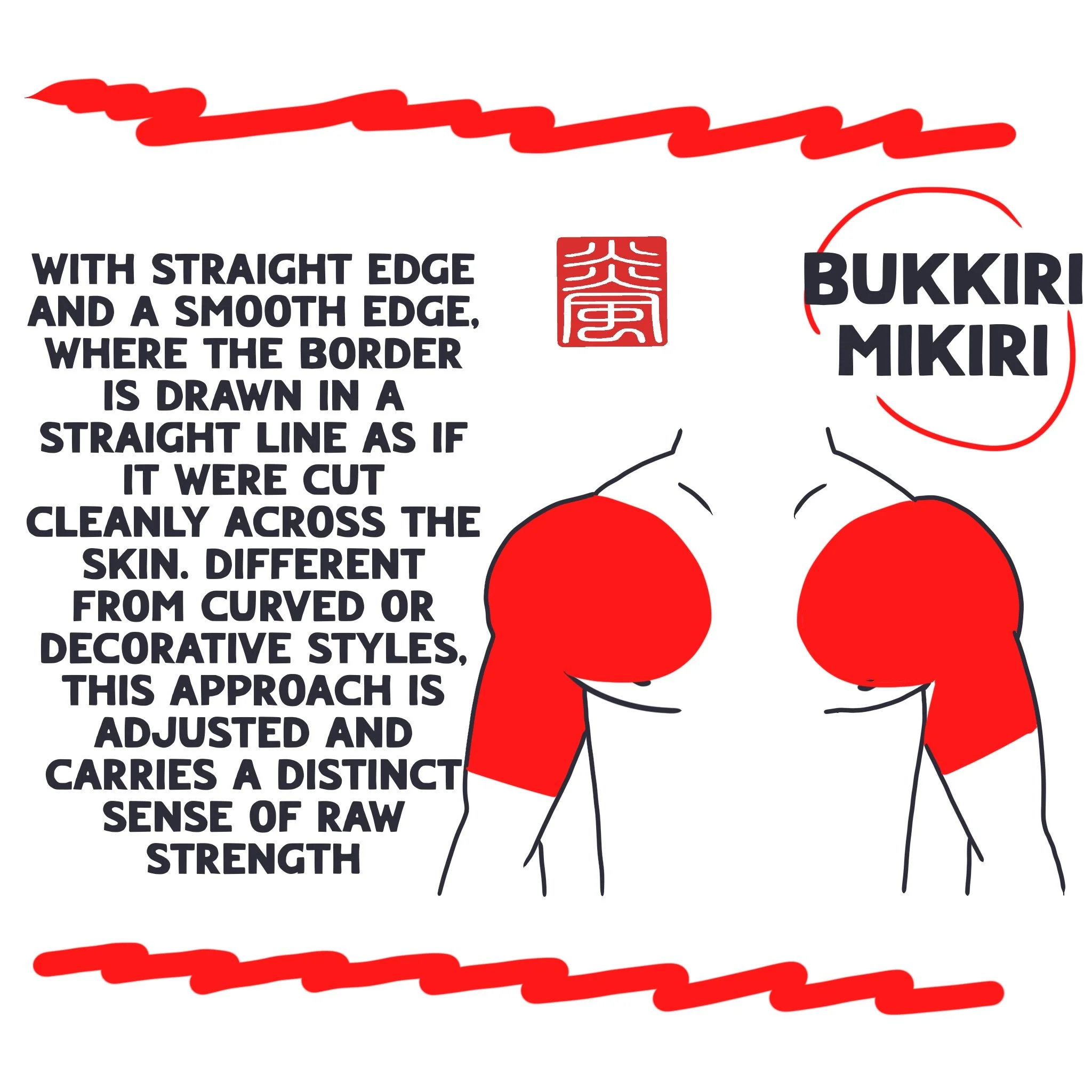
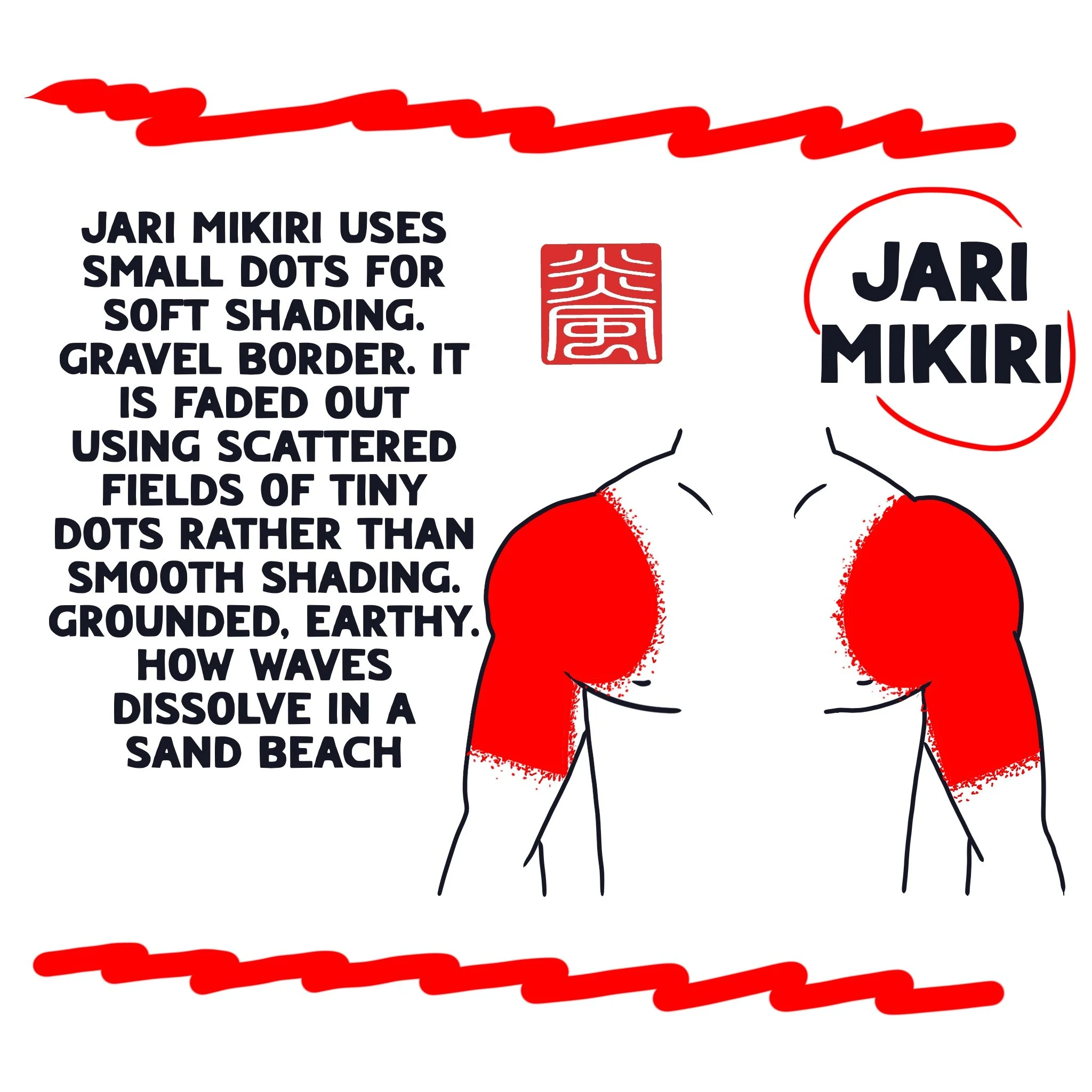
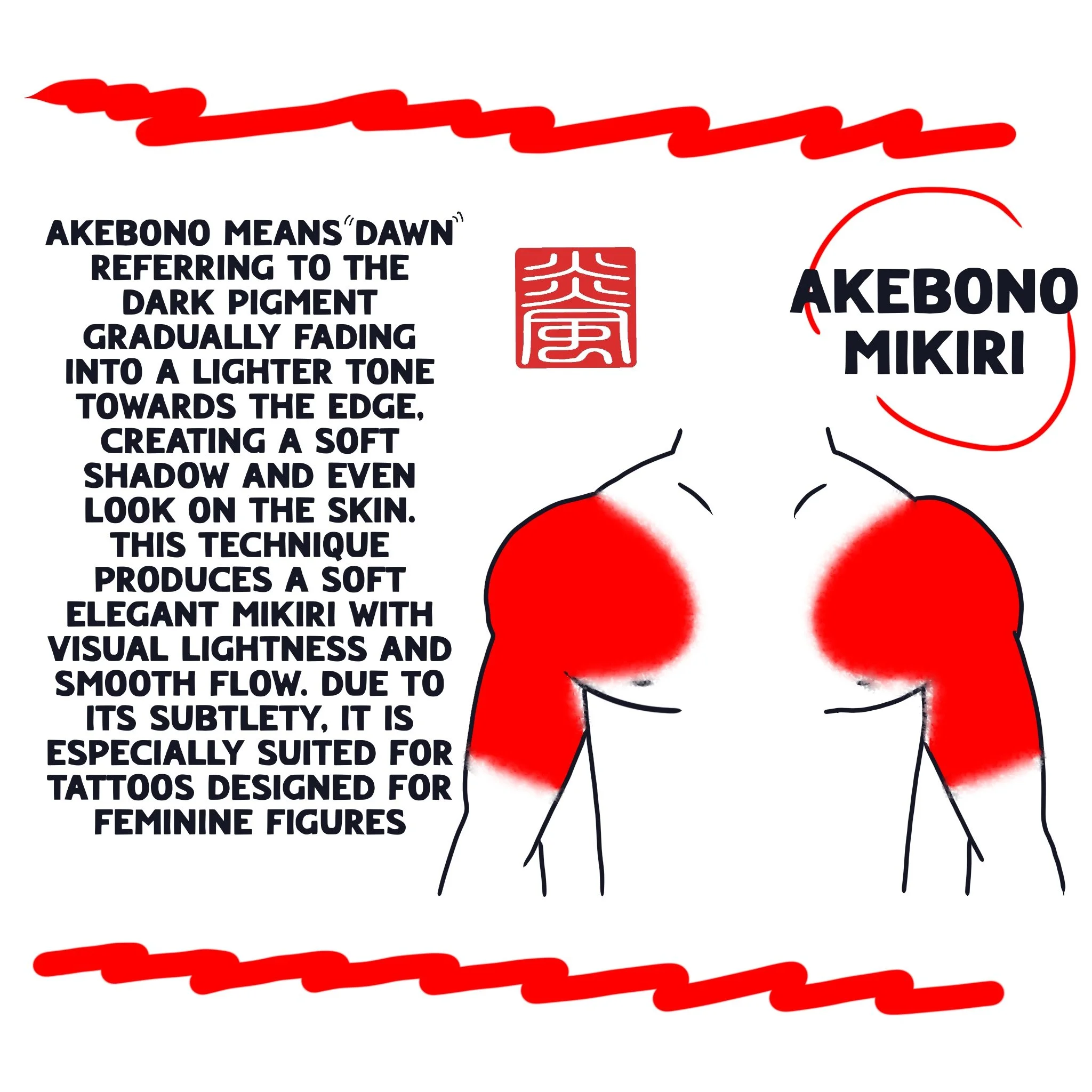
Every Japanese piece has to end somewhere, and how it meets bare skin is its own craft. The border, the mikiri, is what separates a finished piece from one that just stops.
There's more than one way to do it. Some edges fade soft, like light coming up at dawn. Some break into shapes, petals, pine needles, so the background scatters into the skin instead of cutting off hard. The one we choose depends on the piece, your body, and how you want it to sit.
-
![]()
Types of background edging
-
![]()
Types of background edging
-
![]()
Types of background edging
-
![]()
Types of background edging
-
![]()
Types of background edging

“GREAT JAPANESE TATTOOING IS NOT BUILT IN A DAY. IT IS BUILT OVER YEARS.“
手 · Method
Machine and tebori. The right tool for the work.
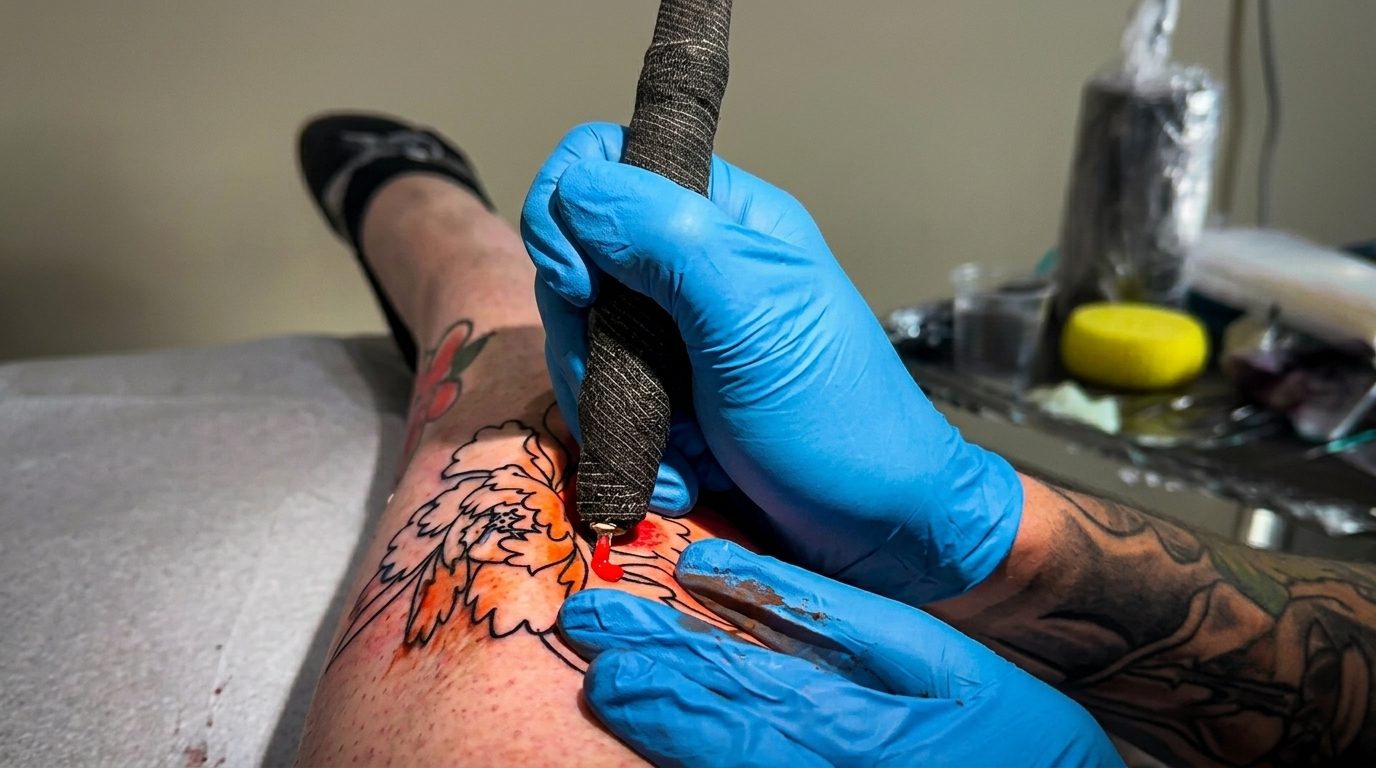
Machine work builds the foundation — clean, precise line work and solid coverage. Tebori, the traditional Japanese hand-poking method, is used for shading and color where the hand produces a depth and saturation that approaches differently than machine work.
Both methods in skilled hands produce work built to last. Color that heals rich. Shading that ages with clarity. Work that looks as strong twenty years from now as it does the day it's finished.

Ready to start the conversation?
Consultations are 30 minutes to an hour, and completely free.